Safety Carbon Monoxide Safety
Know the signs of exposure and how to reduce your risk.
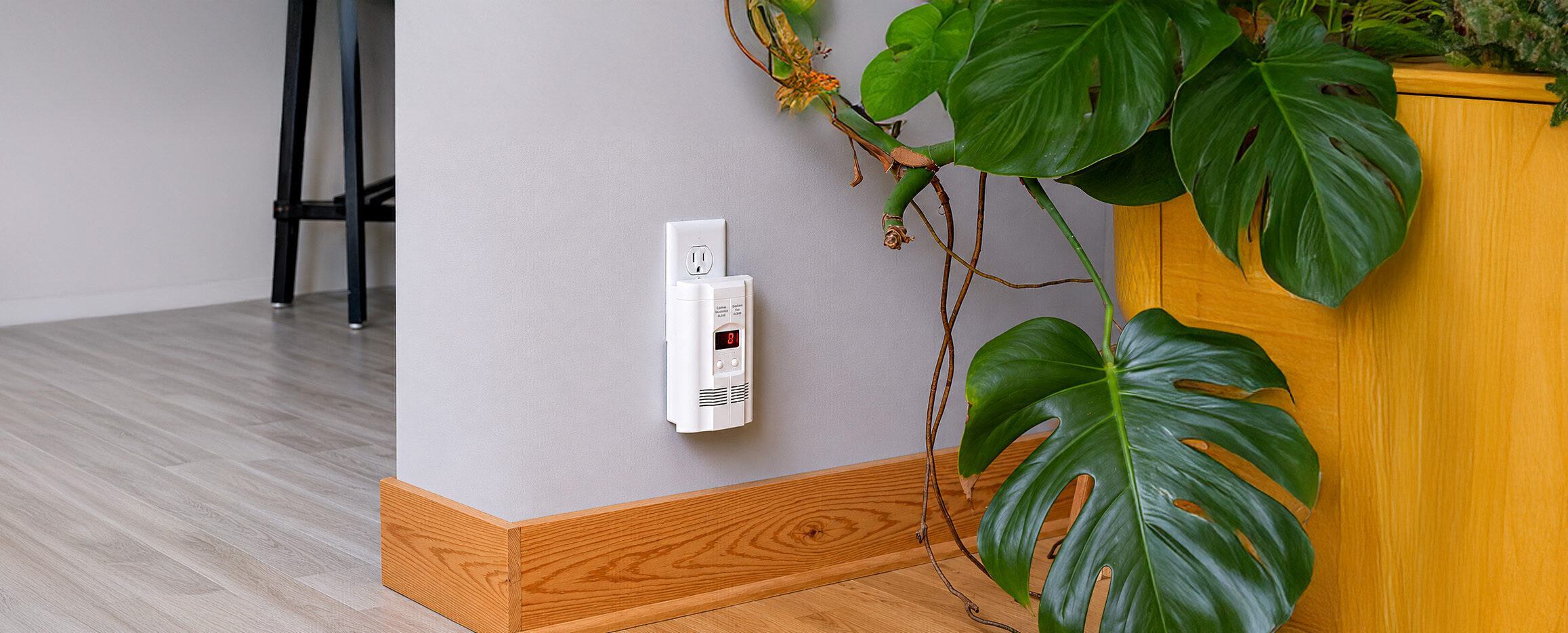
Carbon Monoxide Exposure
Carbon monoxide is an odorless, colorless, and tasteless gas that is dangerous and potentially poisonous if inhaled.
Typically, burning natural gas produces carbon dioxide—the same chemical compound that is used in fire extinguishers, carbonated drinks, and refrigeration systems—and water vapor. While these byproducts are usually harmless, incomplete combustion can create carbon monoxide.
Carbon Monoxide Resources
What You Need to Know
Since carbon monoxide is an odorless, colorless, non-irritating, and tasteless gas, it can often go undetected. By knowing the signs of carbon monoxide exposure, you can help keep yourself, your loved ones, and your community safe.
What are the signs of carbon monoxide exposure?
Environmental Signs
Unusually high indoor humidity and heavy condensation on walls and windows
Environmental Signs
Stuffy or stale indoor air accompanied by soot or water collecting near a burner or vent
Exposure Symptoms
- Blurred Vision
- Fatigue and Drowsiness
- Confusion
- Nausea, Vomiting, or Flu-like Symptoms
- Rapid Heart Rate or Cardiac Arrest
- Unconsciousness
- Slight or Severe Headaches
- Convulsions
Reduce Your Risks of Carbon Monoxide Exposure
Carbon monoxide is produced by the incomplete combustion of carbon-containing materials—it can be produced by the fuel in your vehicle, small engines, lanterns, grills, fireplaces, gas ranges, tobacco, paper, and furnaces, to name a few.
What should I do if I think I’ve been exposed to carbon monoxide?

Shut off any fuel-burning appliances. Ventilate the area—open doors, windows, and garage doors.

If you experience exposure symptoms, get everyone, including pets, out of the building and call 911.

Call a service contractor to check your home and appliances for problems.

Do not return to your building until the source of carbon monoxide is found and fixed.
Use Appliances Correctly
- Install carbon monoxide detectors throughout your home, and replace them as instructed by the manufacturer
- Regularly inspect and service natural gas appliances, including vents and flues, to support proper operation
- Do NOT use a gas range, oven, or dryer to heat a room
- Hire a qualified technician to perform any fuel conversions on your appliances and equipment
Maintain Airflow
- Do not operate automobiles, lawn mowers, or any combustion engine, grills, or similar equipment indoors or in enclosed areas like tents or trailers, even if the door is open
- Make sure your fresh air intake is unobstructed
- Ensure proper ventilation—all fuel-burning appliances and equipment should be vented to the outdoors; limit the amount of equipment vented to one vent pipe; keep vents and chimneys clear of debris and other obstructions; and regularly check vent pipes for gaps, leaks, spaces, and rust

The safety of our customers, employees, and communities is our top priority. If you experience any symptoms or suspect carbon monoxide exposure, leave the building and call 911.