Safety Natural Gas Safety
Know how to identify a natural gas leak and what actions to take.
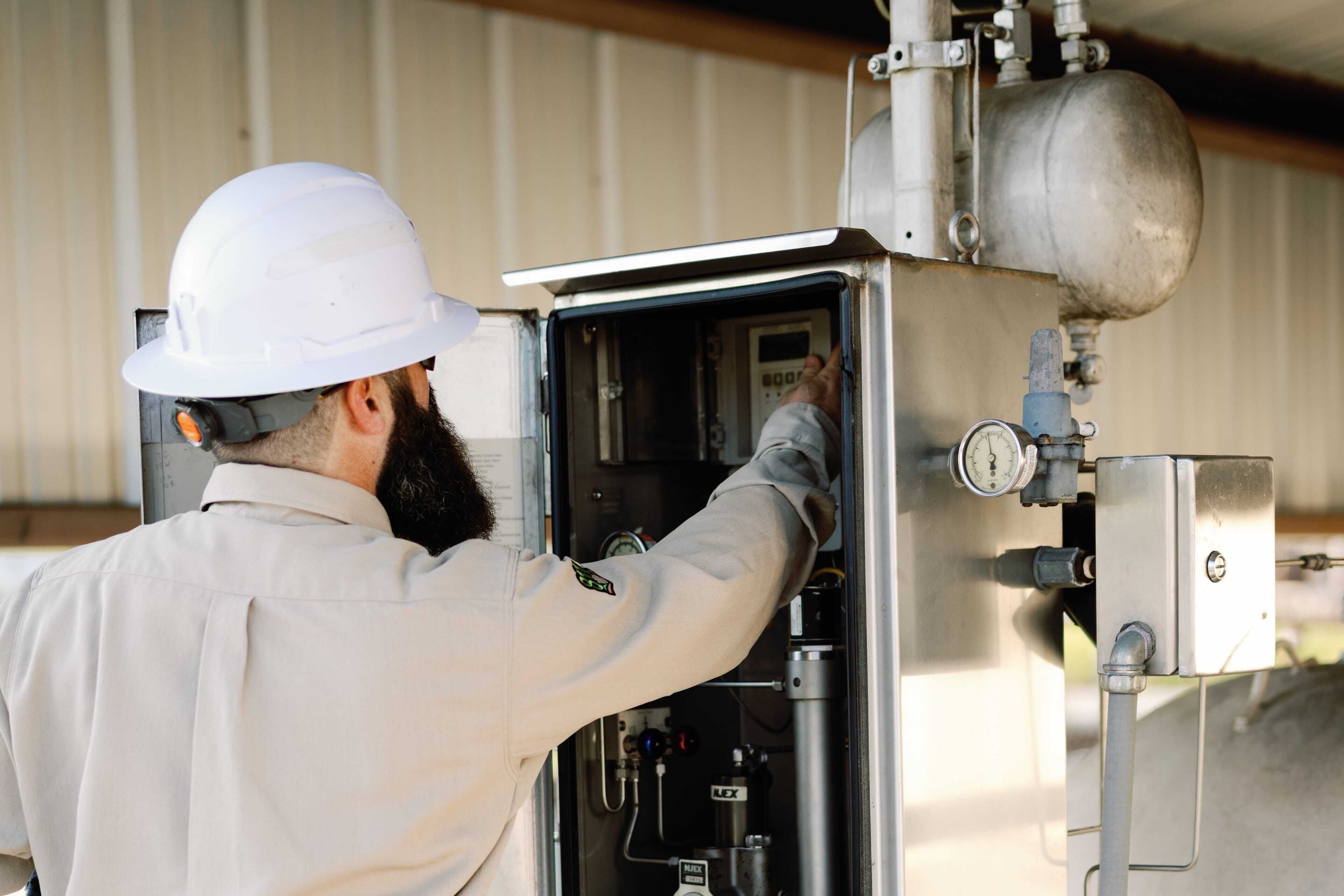
Our Safety Commitment to Our Customers and Community
Delta Utilities is a safety-first organization with an unwavering commitment to prioritizing and maintaining a safe work environment for our employees and the safe delivery of natural gas service to the communities we serve. Safety, environmental stewardship, and strict adherence to federal, state, and local regulations are not just priorities—they are our license to operate and our commitment to responsible business practices.
Additional Resources
Natural Gas Safety 101
Your safety is our top priority. Learn more about natural gas safety and share it with your family and friends.
How to Identify Natural Gas Leaks

Sight
Natural gas leaks can cause unnatural bubbles in puddles, ponds, creeks, lakes, and other bodies of water; throw dirt in the air; and cause unexplained dead patches of lawn or vegetation in otherwise green areas.

Sound
Natural gas leaks can cause blowing noises or a hissing sound, typically accompanied by an odor that smells like sulfur or rotten eggs.

Smell
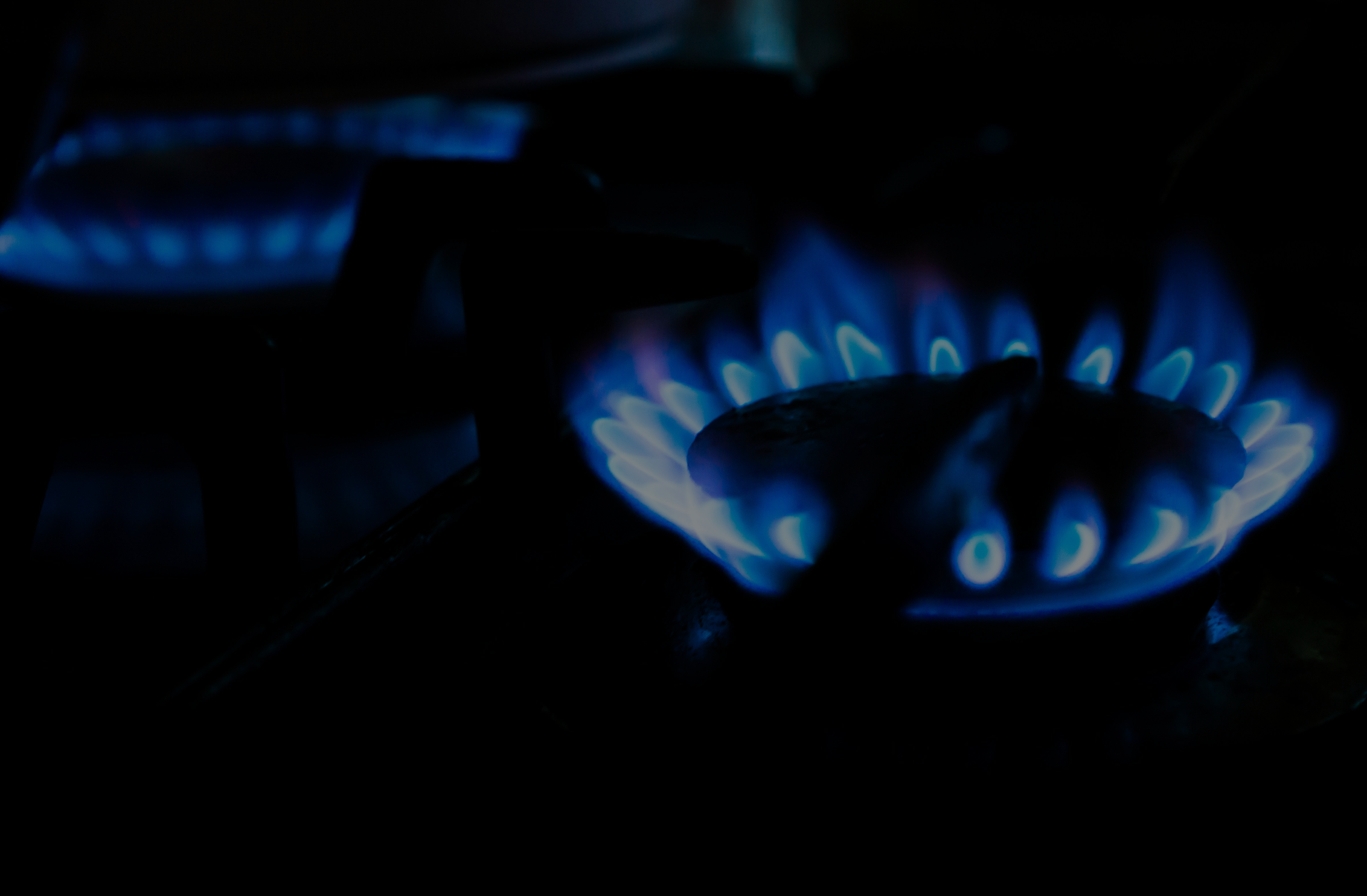
Natural gas is naturally odorless and colorless. Delta Utilities adds mercaptan, an odorant that smells like sulfur or rotten eggs, to help identify potential natural gas leaks.
Smell Safety
SAFETY AWARE
The Limits of Smell
Your nose can be a helpful tool when it comes to identifying potential natural gas leaks, but the odorants in natural gas may not always be detectable.
Odor Fade
Over time, the smell associated with natural gas leaks can become undetectable due to any combination of adsorption, absorption, and oxidation.
Methane Detectors
For an additional ability to detect the presence of gas and 24/7 monitoring of your home, we recommend installing methane detectors to ensure you're immediately alerted to any natural gas presence. These detectors must be selected and installed according to the manufacturer's instructions as well as other applicable laws, regulations, and standards.
Please note these devices are not a substitute for using all your senses to detect a leak.
What to Do if You Suspect a Natural Gas Leak
If you smell something unfamiliar and detect a possible natural gas leak, act immediately. Learn more from the American Gas Association on how to keep your family and community safe using natural gas.

Leave the area immediately.
Whether you’re at home, work, or outside, leave as quickly as possible, and make sure to take others with you.

Avoid causing any sparks.
Do not light matches, candles, or cigarettes; do not turn on appliances, lights, generators, or cars; and do not use devices like cell phones or land lines near the possible natural gas leak—sparks may cause an explosion.

Call 1-833-335-8299 and 911 to report.
Make sure to leave the area before using your phone, always call to report the problem, and do not assume someone else will report the issue.

Stay away from the affected area.
Do not return to your home, business, or outdoor site until directed by utility employees or emergency responders say it’s safe to do so.
Call Before You Dig
Natural gas services rely on a comprehensive underground pipeline system to safely and reliably deliver natural gas to customers. Most natural gas distribution incidents are caused by damage to natural gas lines during construction and excavation activities. Whether you’re planting a new tree, installing a new fence, or completing a large-scale project, always contact the Call Before You Dig program by calling 811.
Homeowners and contractors are required by law to call 811 at least two working days before digging in Louisiana and at least three working days before digging in Mississippi.
