Safety Pipeline Safety
Pipeline Basics
We are committed to continuous investment in the safe and reliable operation of our pipeline network, and we encourage you to learn more about pipeline safety to help ensure the safety of our customers, employees, and the communities we are proud to serve.

Locating a Line
Pipeline markers are used to identify the approximate location where a pipeline intersects with a street, highway, or railway.
These markers cannot be used to determine the exact position of a pipeline—you should always call 811 before you dig to avoid damaging pipelines and other underground infrastructure.
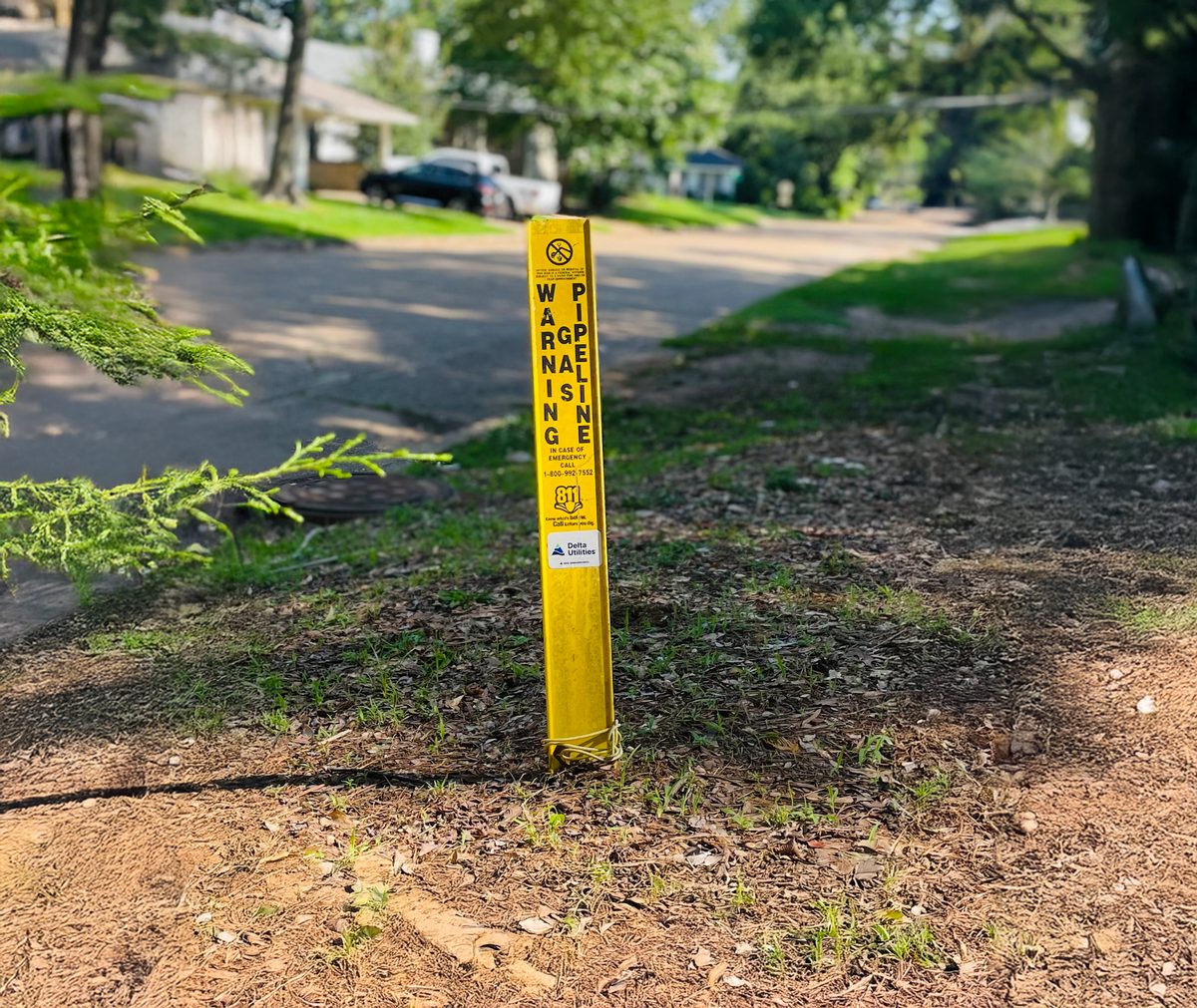
Pipeline Markers
Pipeline Markers contain operator information, product information, and an emergency contact number. These are the most commonly seen markers.

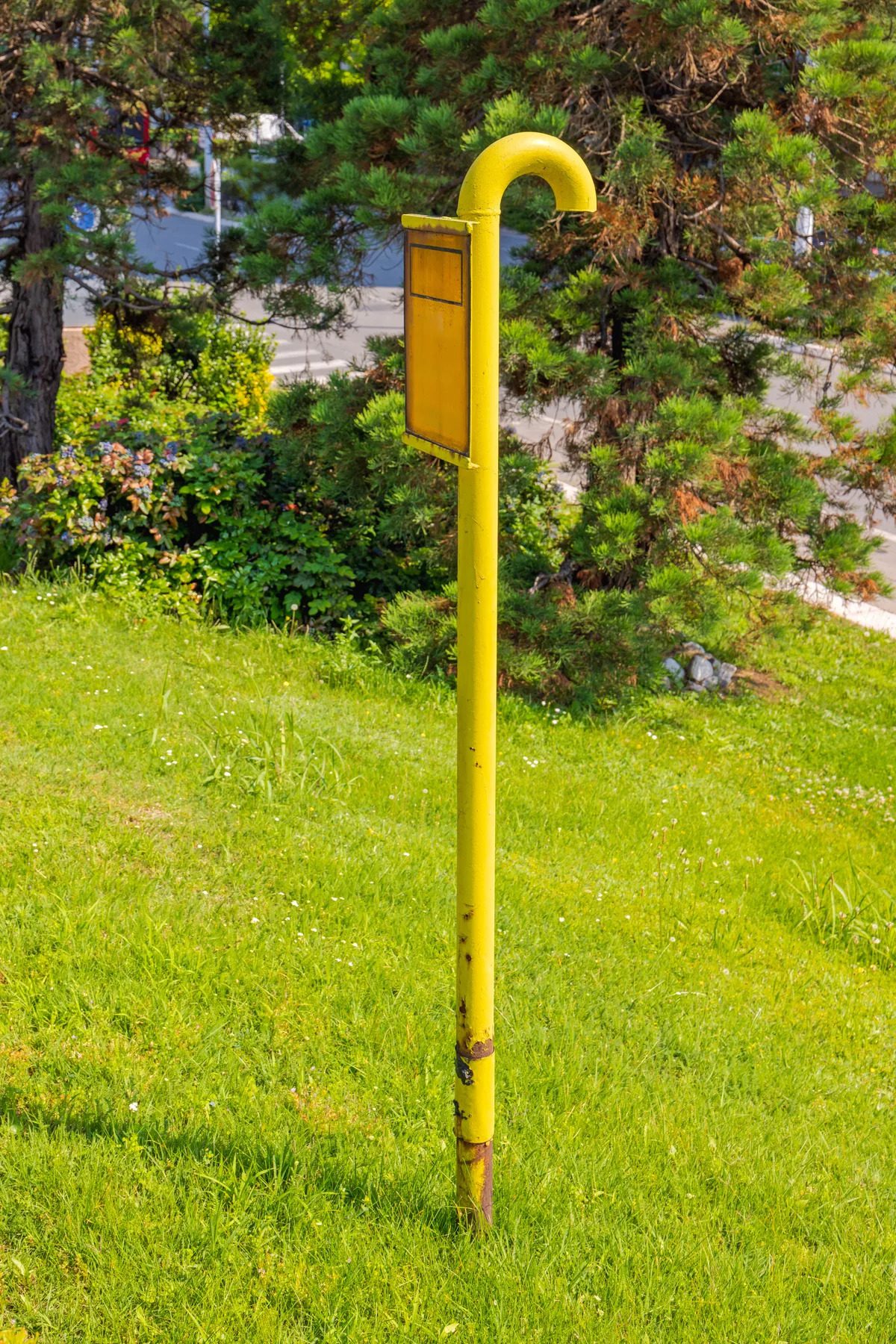
Casing Vent Markers
Casing Vent Markers indicate that a pipeline protected by a steel outer casing passes beneath a street, highway, railway, or other crossing.

Pipeline Access
We are committed to continuous investment in the safe and reliable operation of our pipeline network, and we encourage you to learn more about pipeline safety to help ensure the safety of our customers, employees, and the communities we are proud to serve.
Know What’s Below
The majority of natural gas distribution incidents are caused by damage to natural gas lines during construction and excavation activities. Whether you’re planting a new tree, installing a new fence, or completing a large-scale project, always contact the Call Before You Dig program by calling 811.
Homeowners and contractors are required by law to call 811 at least two working days before digging in Louisiana and at least three working days before digging in Mississippi.


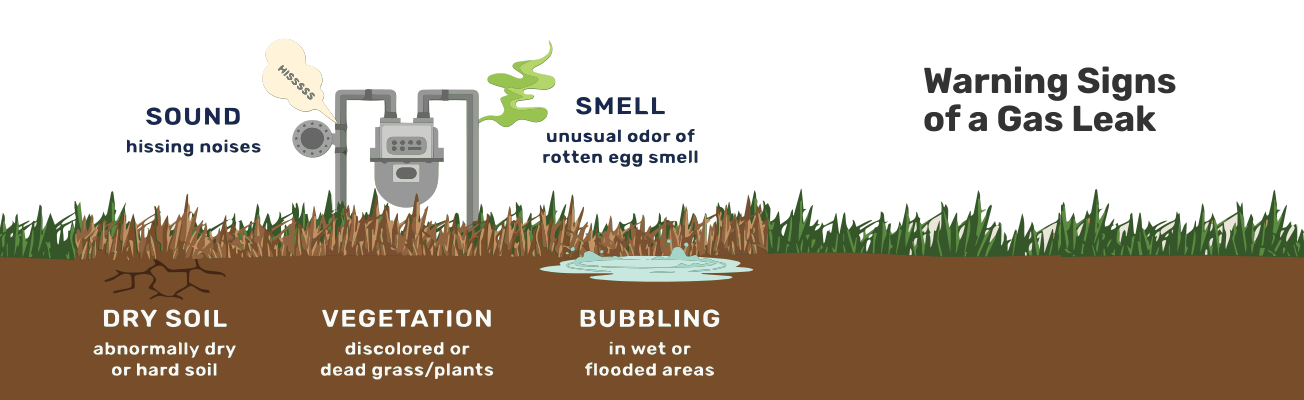
The safety of our customers, employees, and communities is our top priority. If you suspect any damage to natural gas infrastructure or a potential natural gas leak, please leave your home or business immediately. Once you’re at a safe location, call 1-833 DELTA-99 (1-833-335-8299) and 911.